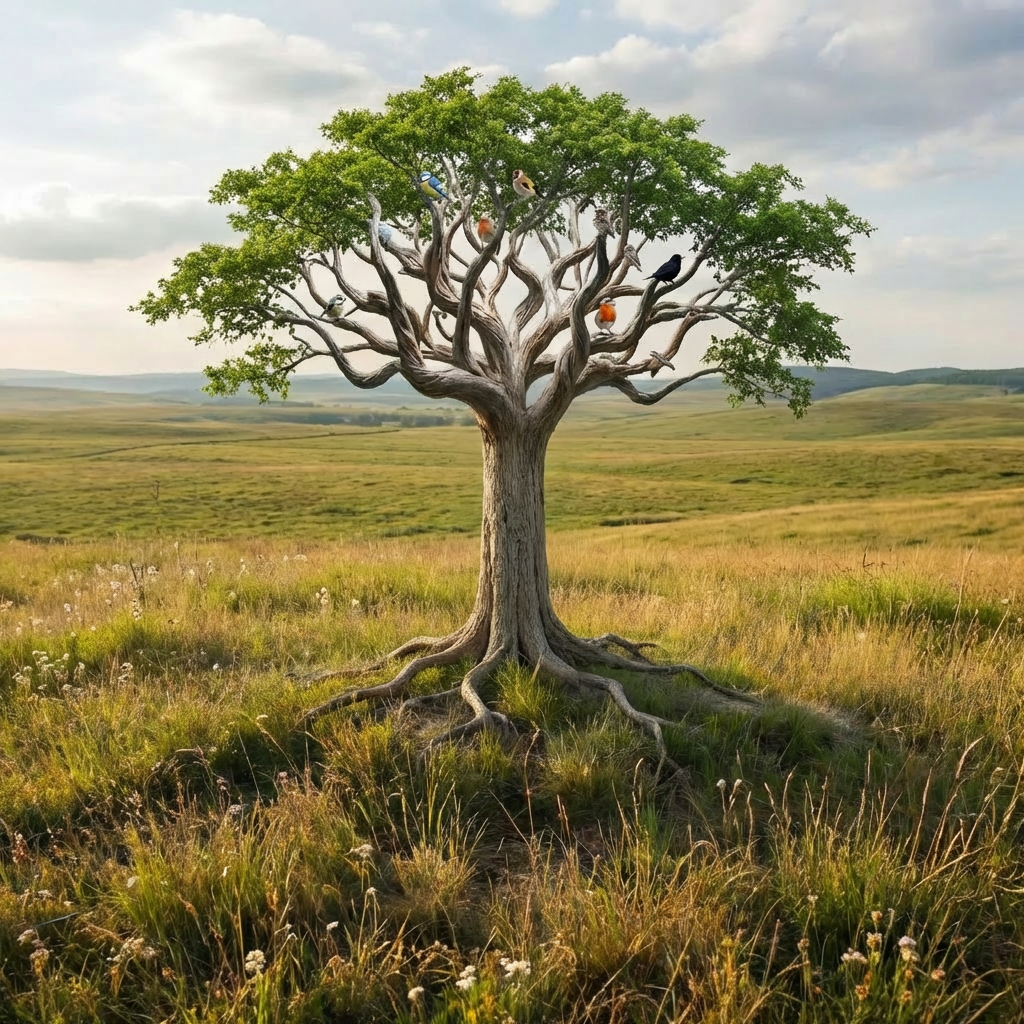
I have been thinking a lot about how much of human behavior is shaped by the environment we grow up in. People often like to believe that personality and values are fixed, but psychology suggests otherwise. Our experiences, social surroundings, and repeated exposure to certain behaviors can shape the way we think, speak, and react to others.
One idea that feels especially important to me is that memory and experience strongly influence behavior. In environmental psychology, researchers emphasize that physical and social environments are deeply connected to human behavior and well-being. In other words, people do not simply act based on abstract principles — they often respond according to what they have seen, lived through, and learned over time.
This is one reason generational conflict happens so easily in the workplace. Older generations may feel that their hardship should be recognized, especially if they worked long hours, sacrificed personal time, or endured tough conditions in the past. At the same time, younger generations often expect healthier boundaries, more flexibility, and a better work-life balance. When each side assumes that its own experience is the “correct” one, misunderstanding grows quickly.
Psychology helps explain this pattern. Albert Bandura’s social learning theory says that people learn not only from direct experience, but also by observing others and copying what they see rewarded or accepted around them. That means workplace culture is not built only by rules — it is also built by modeling. If a harsh style of leadership is repeatedly tolerated, it can become normalized. If empathy and respectful communication are modeled instead, those behaviors can spread too.
What stands out to me most is that many conflicts are not really about age itself. They are often about different interpretations of effort, respect, and responsibility. A manager who values endurance may see a younger worker leaving on time as lazy, while the younger worker may see the same behavior as healthy professionalism. Both sides may genuinely believe they are being reasonable, which is why these conflicts can feel so emotionally charged.
I think the most constructive approach is to pause before judging. Instead of asking, “Why are they like this?”, it may be better to ask, “What kind of environment shaped this person’s view?” That small shift creates space for empathy. And in my view, empathy is not softness — it is a practical skill that helps people work together with less resentment and more clarity.
In the end, the lesson I keep coming back to is simple: people are products of both memory and environment, but they are also capable of change. If we become more aware of the forces shaping behavior, we can communicate more wisely and reduce unnecessary conflict.
References
Books and academic sources used as reference for the article:
- Cassidy, T. Environmental Psychology: Behaviour and Experience in Context.
- Gärling, T., & Golledge, R. G. Behavior and Environment: Psychological and Geographical Approaches.
- Gifford, R. Environmental Psychology: An Introduction.
- Bandura, A. Social Learning Theory.
- Skinner, B. F. Science and Human Behavior.